grafik-post-rollierende-forecasts-24_V2

Flexible Rolling Forecasts for Agile Planning

Creating Real Value in Controlling with Dynamic Rolling Forecasts. Discover the Why in this Brief Blogpost.

In the fast-paced world of business, staying ahead requires a fresh approach to financial management. Dynamic rolling forecasts emerge as a solution to the uncertainties faced in the ever-changing business landscape, offering a flexible and precise alternative to traditional predictions.

But why choose dynamic rolling forecasts, and how do they work?


Traditional forecasts, conducted 1-3 times a year, can quickly become outdated in our rapidly evolving environment. Dynamic rolling forecasts step in to bridge this gap. They’re updated regularly, often monthly or even continuously, providing flexibility in both frequency and duration. Plus, they’re user-friendly – easily configured by the finance team without the need for programming skills.


Dynamisch-rollierende Forecasts smartpm.solutions

Opex Planning with Dynamic Rolling Forecasts, smartPM.solutions

So, what's the advantage?

 
  • Swift Response: Dynamic rolling forecasts empower finance teams to respond promptly to changes in demand, market conditions, or other influencing factors.

  • Better Risk Management: Continuous updates allow for a more accurate identification of risks, enabling real-time riskmitigation.

  • Efficient Resource Allocation: Keeping the team consistently up-to-date ensures resources are distributed more efficiently.

  • Strategic Adaptability: The flexibility of dynamic rolling forecasts allows continuous optimization of strategies, adapting to changing market conditions. 

Success Story:


A standout example comes from the ROSEN Group, where adopting dynamic rolling forecasts strengthened their competitive edge. After a digital transformation, the Head of Financial Analysis at ROSEN Germany shared, “Planning and forecast cycles have massively shortened. We appreciate the ability to plan continuously and issue flexible rolling forecasts.” This approach provides greater agility in financial management by enabling proactive responses to changing circumstances. A Financial Controller at ROSEN Germany added, “We are very satisfied with the user-friendliness and flexibility of our new system. No comparison to before!”


Planning Cockpit smartPM.solutions

Planning Cockpit, smartPM.solutions

Discover Dynamic Rolling Forecasts and Agile Planning


Curious to see how dynamic rolling forecasts can transform your company? Witness it live in our software demo. Schedule your free presentation in this calendar:

You never want to miss a post - follow us​

Share this post

Latest smartPM Blogposts

smartpm-digitalisierung-migration-post

Replace Excel and Migrate Legacy Systems: Digital Transformation in Finance and Controlling

Migration and Digitalisation in Finance and Controlling: How Do You Take the Next Step? Planning across multiple Excel spreadsheets, transferring data manually, and working with a fragmented system landscape: when preparing financial data takes more time than analyzing it, digital transformation becomes a practical priority. Existing financial planning systems can also reach their limits, whether
Blogpost Power BI Plapp

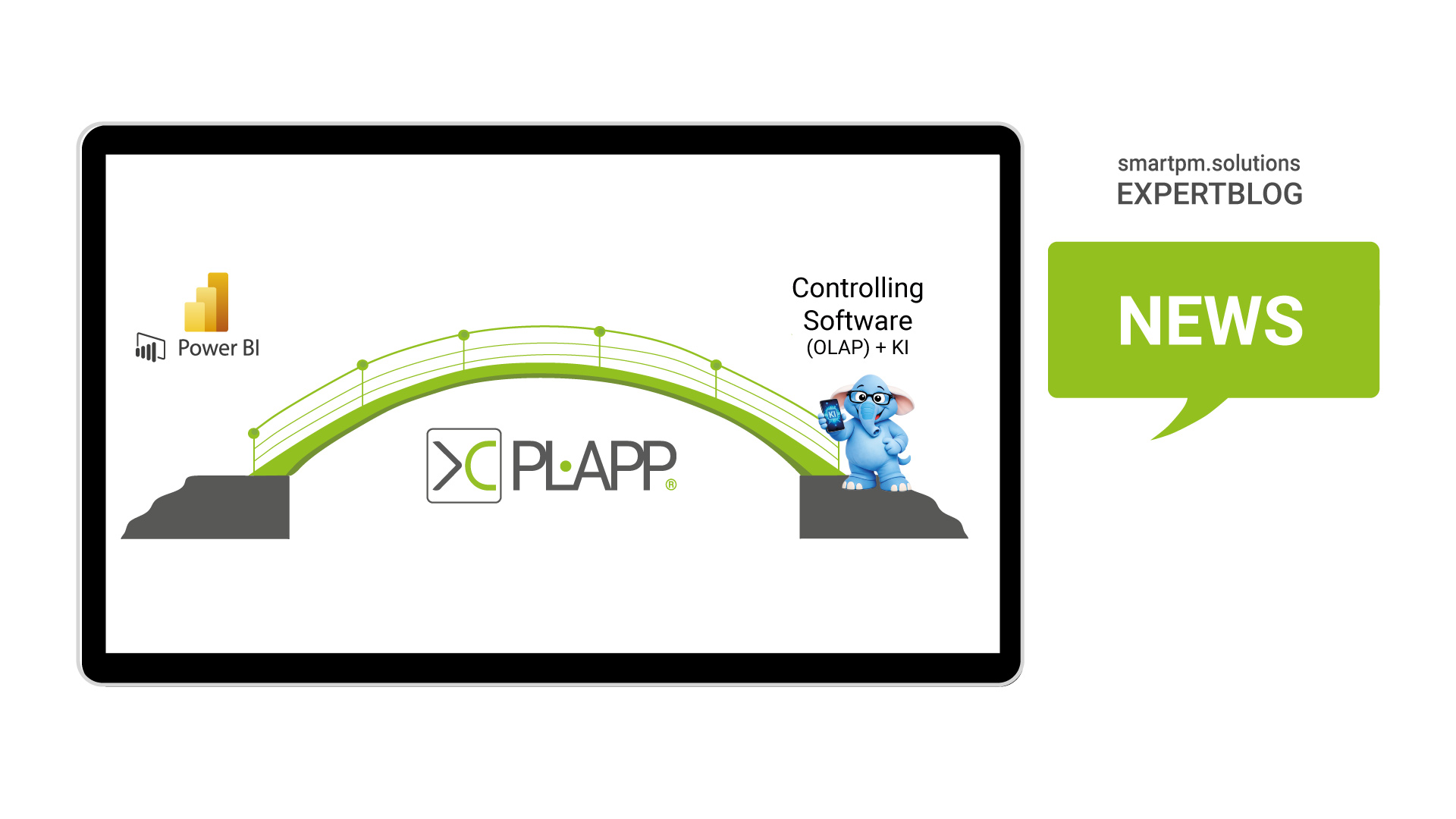
Power BI as the Central Planning Hub for Controlling

Real-time planning, analytics, forecasting, and reporting directly in Power BI / Fabric Many organisations today use Power BI as a powerful analytics and reporting tool. Dashboards are visually appealing, reports are interactive, and data is available quickly. However, when it comes to planning, forecasting or simulation, the journey often ends outside the familiar Power BI
KI im Controlling, Agentic AI in Performance Management, integrated, reliable, developed for finance departments, smartofant smartpm.solutions

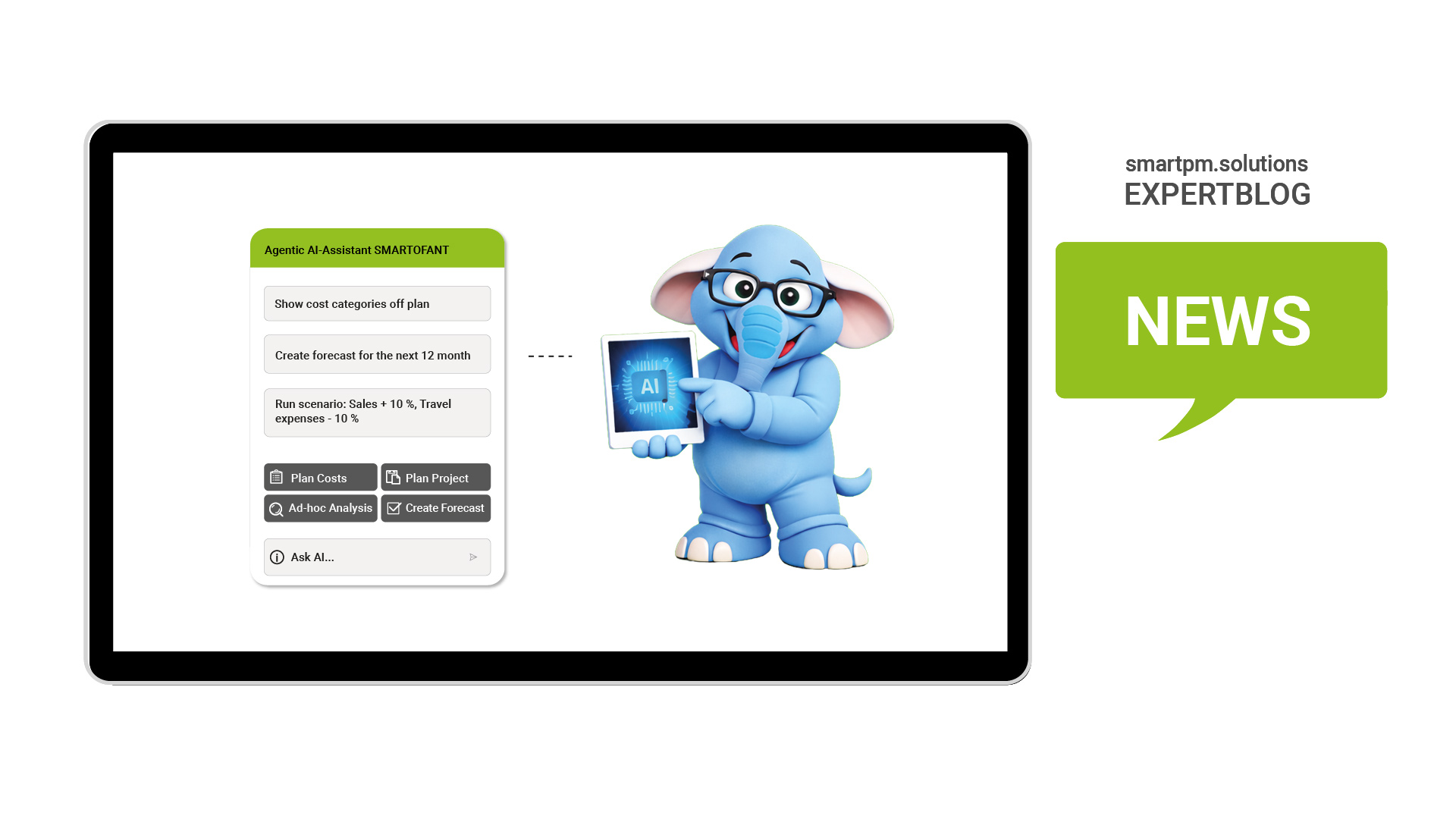
Production-Ready Agentic AI for FP&A and Performance Management – Smartofant

Artificial intelligence is gradually making its way into companies. Especially in data-driven areas such as Financial Planning and Analysis (FP&A), AI can already provide effective support for routine tasks, cost planning, project optimization and analytics. However, demos often only showcase prototypes or isolated use cases — and only rarely a broadly applicable, reliable business AI

Scroll to Top