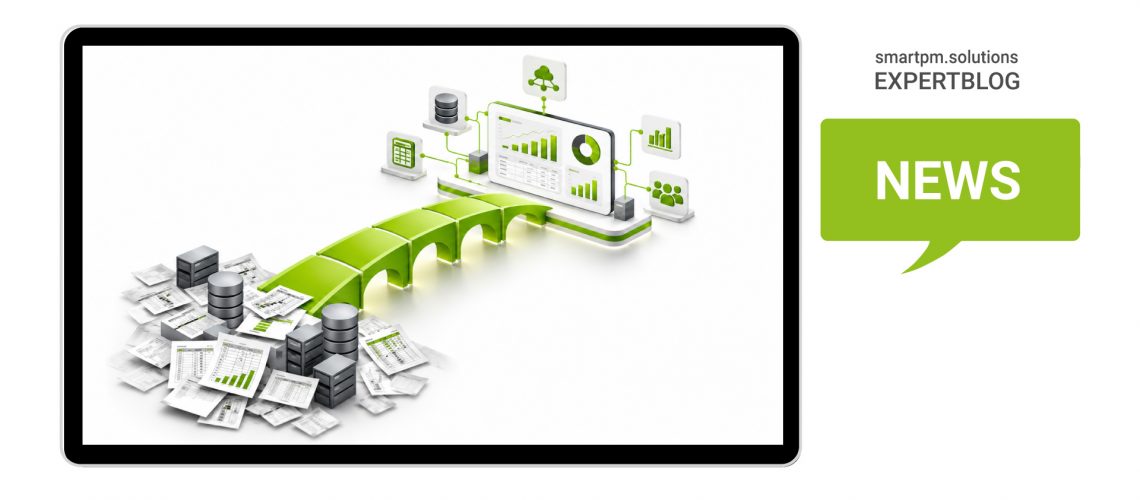

Migration and Digitalisation in Finance and Controlling: How Do You Take the Next Step?
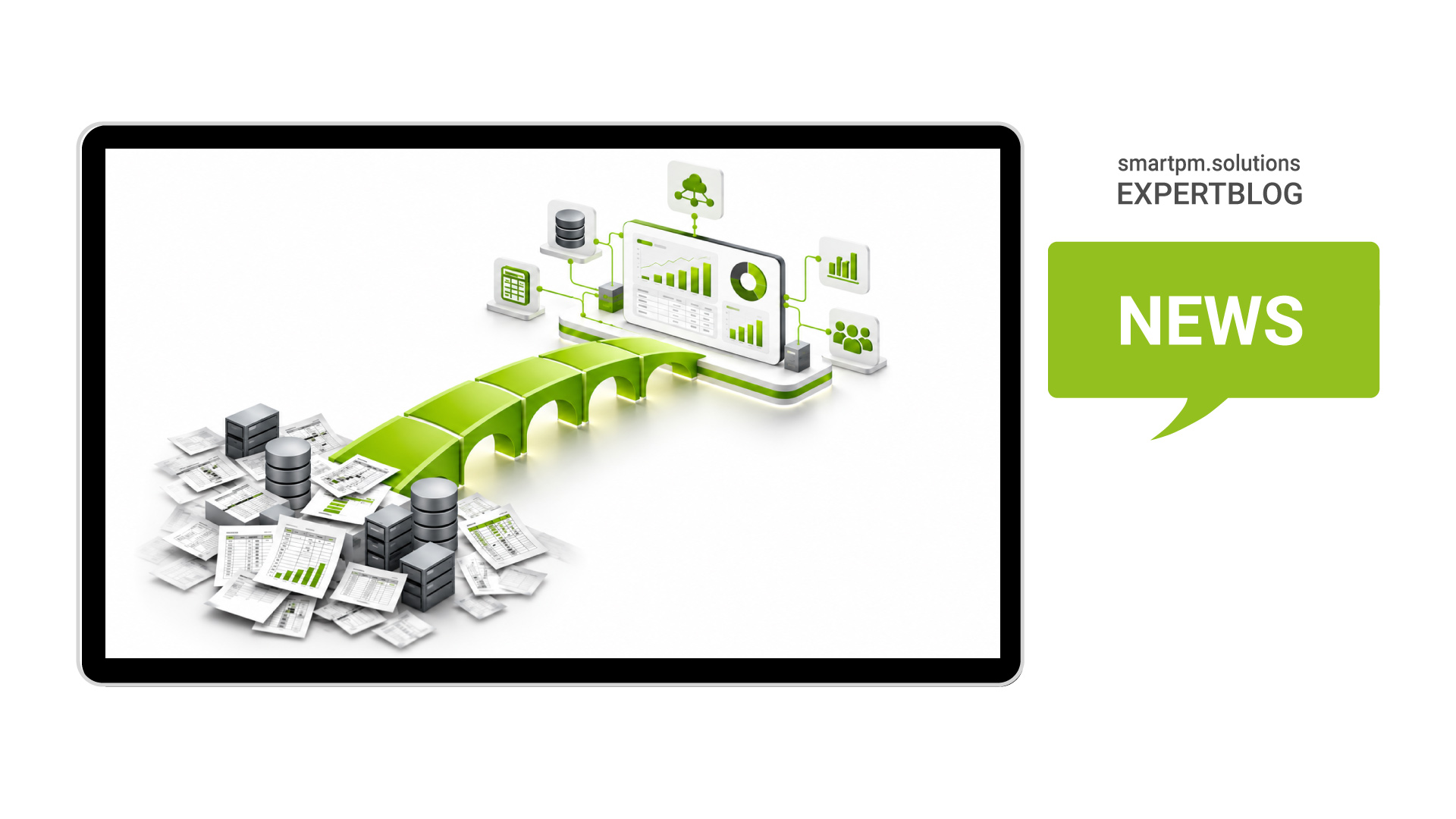
Planning across multiple Excel spreadsheets, transferring data manually, and working with a fragmented system landscape: when preparing financial data takes more time than analyzing it, digital transformation becomes a practical priority. Existing financial planning systems can also reach their limits, whether in performance, usability, or their ability to meet new forecasting and reporting requirements.
But how do you start a planning system migration? Which data, financial models, and reports should you retain? Which processes can you simplify? And how do you manage the transition while keeping day-to-day operations running?
This article explains how to approach FP&A modernization and migration effectively: with clear objectives, the right technology, and a phased implementation. This approach has proven successful across hundreds of projects.
Your Starting Point: Excel-Based Planning, Legacy Systems, or Planning Silos
Many organizations face one of the following situations:
- Excel-based financial planning: Disconnected files, complex links, and manual consolidation need to be replaced with a central data foundation and coordinated workflows.
- Existing planning systems reaching their limits: Data, planning logic, and reports need to be updated or migrated
- to a new solution and improved in the process.
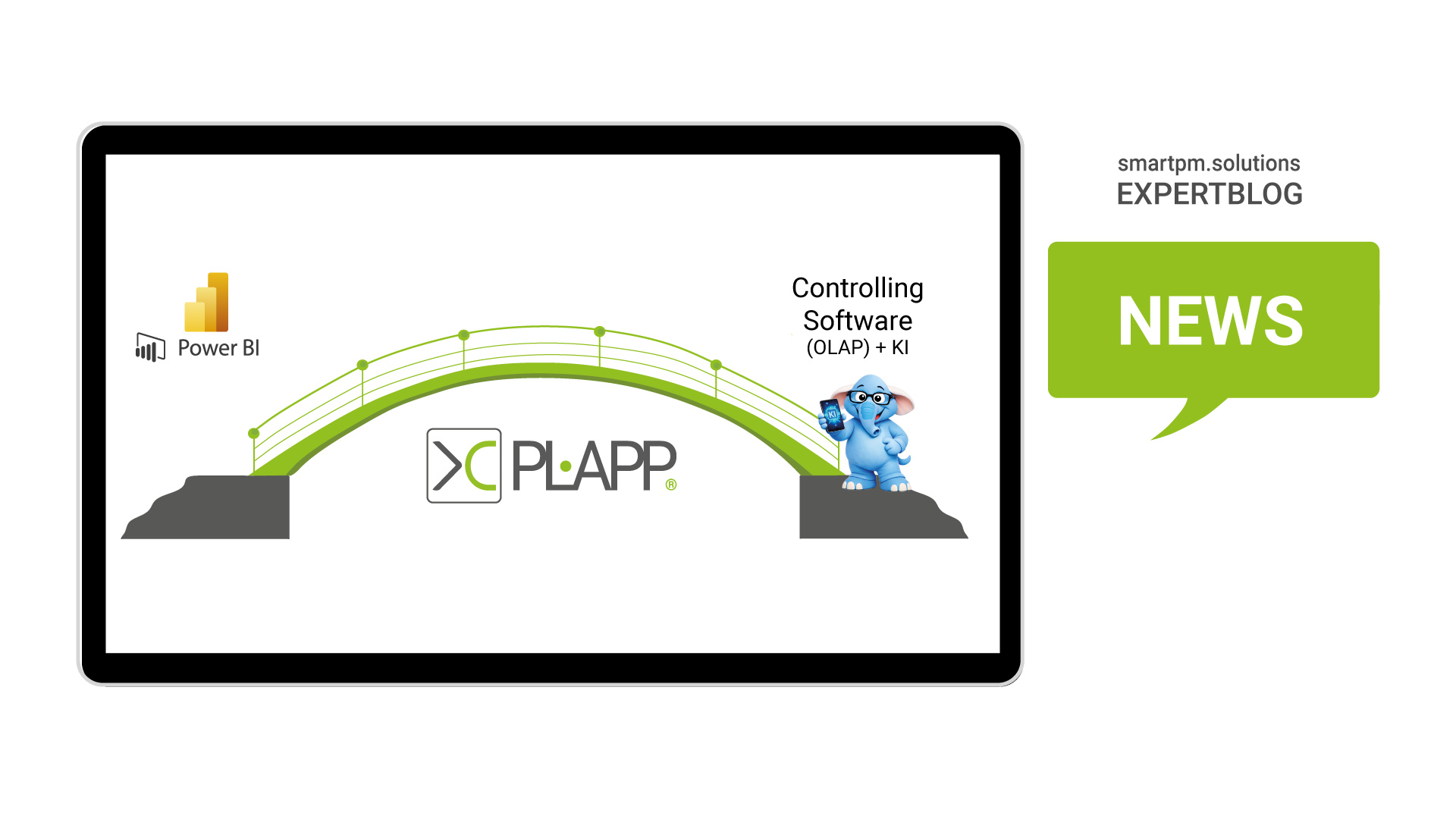
- Separate planning and reporting solutions: Information from ERP systems, planning applications, and business intelligence tools needs to be connected so that analysis, forecasting, and performance management rely on consistent data.
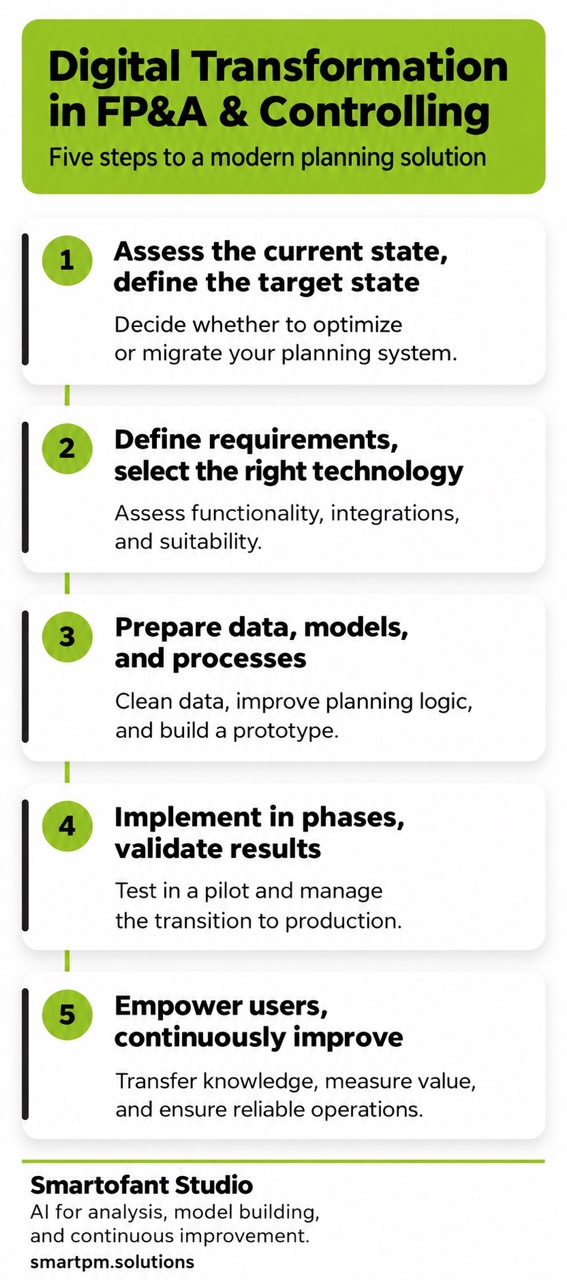
The following five steps explain how to optimize an existing planning environment or migrate to a new solution while making efficient use of your resources.
Five Steps to Successful FP&A and Controlling Modernization
1. Assess Your Current Environment and Define Your Target State
Understand your current state: Which systems, processes, and data do you use today? What works well, and where are the problems? Example 1: An Excel planning file with 40 worksheets, 90,000 formulas, and 100 errors, maintained by a single power user approaching retirement. Extensive reconciliation, multiple spreadsheet versions, and unreliable data create additional challenges.
Example 2: An aging legacy planning system with performance issues and limited flexibility.
Define your Target state: What should your systems and processes look like after migration or digital transformation?
For example: A central financial planning and controlling solution that connects all relevant data, delivers high performance even with large data volumes, and is easy to use. It supports scenario planning, rolling forecasts, and AI capabilities, with Power BI integration for integrated business planning and performance management.
Migration or digital transformation roadmap: Which steps will take you from the current state to the target state? An assessment of processes, models, and technology provides recommendations for optimizing the existing solution or migrating to a new one.
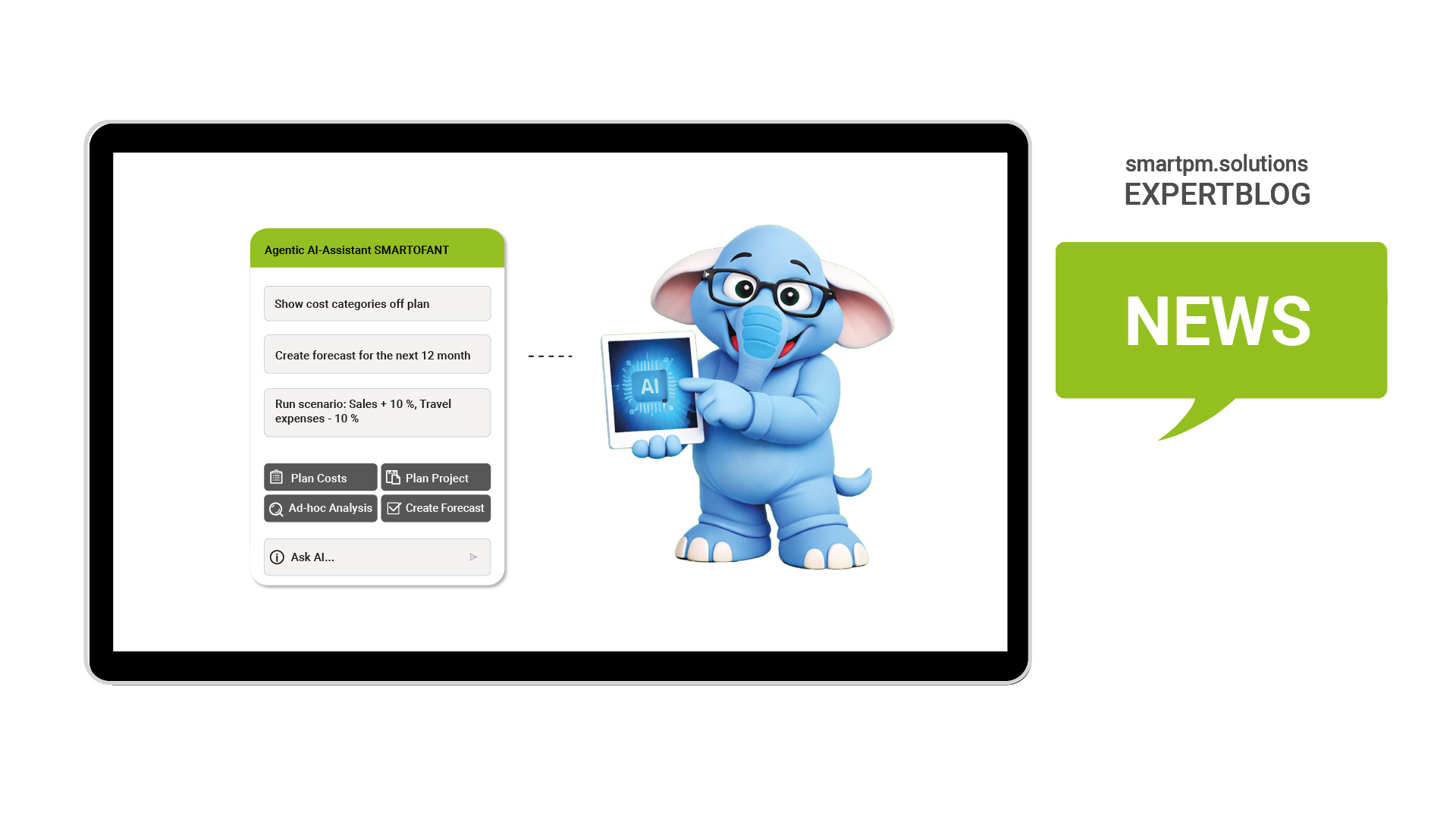
Before AI, system and model assessments required considerable effort. Today, the Smartofant Studio AI workspace can analyze models, reports, or processes and generate documentation in 15 minutes to a few hours, depending on data volume. This helps you assess optimization needs and gain a clear overview of existing planning models.
The assessment helps determine whether a legacy system can be retained and optimized or needs to be replaced.
Optimize Your FP&A System When...
-
The system runs reliably and continues to receive support and updates.
-
Problems can be resolved through better processes, configuration changes, or targeted enhancements.
-
The required interfaces and integrations can be implemented.
-
Operation and maintenance remain cost-effective.
-
The necessary expertise and ongoing support are available.
Replace Your FP&A System When...
-
Support or further development is no longer available, or security vulnerabilities are no longer addressed.
-
Core requirements can only be met through complex custom solutions.
-
Essential interfaces cannot be connected, blocking further digital transformation.
-
Maintenance, downtime, performance issues, and modifications create persistently high costs.
-
System support depends on individual employees and cannot be reliably maintained.
Step 2: Define Requirements and Select the Right Planning Technology
Which capabilities do controlling, FP&A, IT, and business teams actually need?
Once requirements and the target state are clear, assess which software, platforms, and interfaces support the desired processes and fit your existing system landscape. Key selection criteria include functionality, integration capabilities, security, usability, extensibility, and total cost of ownership. The technology should first be tested in a pilot project before being rolled out more broadly.
Step 3: Prepare Data, Financial Models, and Planning Processes
A migration provides an opportunity to review structures that have evolved over time. Which historical data do you need? Which calculations and reports remain relevant? Where can unnecessary planning detail be reduced?
AI can also simplify the optimization of financial planning models. Based on the assessments, requirements, and target state, Smartofant Studio can, for example, create a working prototype using your own data and use cases.
The AI is trained on best-practice planning content from numerous projects. Rather than copying the legacy model, it creates an optimized, modern planning solution with comprehensive data integration and operational plans connected to the profit and loss statement, balance sheet, and cash flow statement.
Step 4: Implement in Phases and Validate the Results
From prototype to pilot to production: clear milestones, data reconciliation, and user acceptance testing support the transition.
One practical example is the migration of Stadtwerke Bochum’s financial planning from Unit4 FP&A to a new system, including historical planning data and integrated operational plans.
Step 5: Empower Users and Continue Your Digital Transformation
The benefits emerge in everyday use. Early involvement of power users, training, and clearly defined responsibilities are therefore essential.
Finance and controlling teams also need the flexibility to develop planning models and the system further themselves. This is the approach smartpm.solutions pursues with Smartofant Studio.
Using natural language, users can independently optimize and extend models in protected test environments. This reduces reliance on IT teams and external consultants.
From an Excel model with 40 worksheets and 90,000 formulas to a professional planning model in hours rather than weeks.
Replacing Excel and Migrating Planning Systems: How smartpm.solutions Supports Your FP&A Team
Through numerous implementation and migration projects, we have developed extensive business and technical expertise in existing planning solutions, including Unit4 FP&A, Jedox, SAP, and IBM TM1.
We understand the underlying data structures, calculation logic, and interfaces. This enables us to assess which elements should be retained, simplified, or rebuilt.
For new solutions, we deliberately choose powerful, flexible, cube-based OLAP technology.
Our commitment is to deliver short, focused projects, improve existing structures, and enable your team to work independently. Together, we review established processes and develop a planning solution that meets your current and future requirements.
Experienced controlling and FP&A consultants work alongside your team and actively share their knowledge.
To keep the solution running smoothly in everyday use, we support you with data integration, training, specialist advice, and reliable support backed by clearly defined service level agreements. Personal support remains available while your team gains the capability to act independently.
What Does This Mean for Your FP&A and Controlling Team?
In an expert consultation, we discuss your current environment and opportunities to improve financial planning and business performance management—including extended planning and analysis (xP&A) that connects finance with operational planning across departments.